PTFE (Teflon) belts are versatile and used across a wide range of industries due to their unique properties. Here’s a more detailed breakdown of where and how they are commonly used:
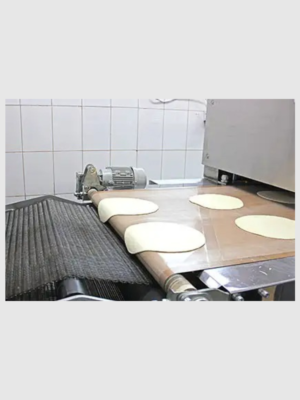
1. Food Industry
- Applications: Baking, grilling, freezing, drying, and conveyor systems in food preparation.
- Why? The non-stick surface prevents food from sticking, is easy to clean, and is safe for food contact.
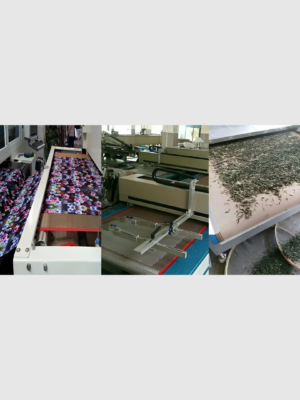
2. Textile Industry
- Applications: Curing, drying fabrics, lamination processes, and dyeing.
- Why? PTFE belts resist high temperatures and chemical exposure, making them ideal for fabric treatment.
3. Printing Industry
- Applications: Heat transfer printing, screen printing, and drying inks.
- Why? They withstand the high temperatures and pressures needed for heat-setting processes.
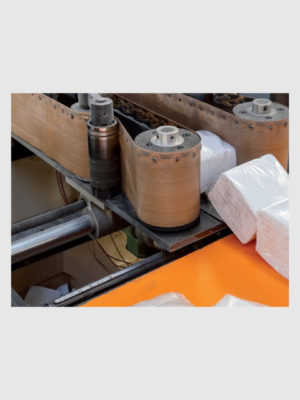
4. Packaging Industry
- Applications: Heat sealing, vacuum packaging, and shrink wrapping.
- Why? PTFE belts maintain non-stick properties under high heat, ensuring smooth operations.
5. Electronics Industry
- Applications: PCB manufacturing and soldering processes.
- Why? High temperature resistance and chemical inertness are crucial for electronic production lines.
6. Chemical Processing
- Applications: Conveying corrosive or reactive materials, drying chemicals.
- Why? PTFE’s resistance to chemicals and extreme heat ensures safety and durability.
7. Pharmaceuticals
- Applications: Drying, tablet coating, and material transfer.
- Why? The non-stick, easy-to-clean surface meets stringent hygiene requirements.
8. Solar and Laminating Industry
- Applications: Laminating solar panels and other materials.
- Why? The smooth surface and heat resistance ensure precision and reliability.
9. Automotive Industry
- Applications: Manufacturing components that require heat curing or drying.
- Why? PTFE belts handle the high heat required in processes like coating and molding.
Let me know if you’d like information about sourcing, installation, or maintenance of PTFE belts for a specific use case!



Reviews
There are no reviews yet.